
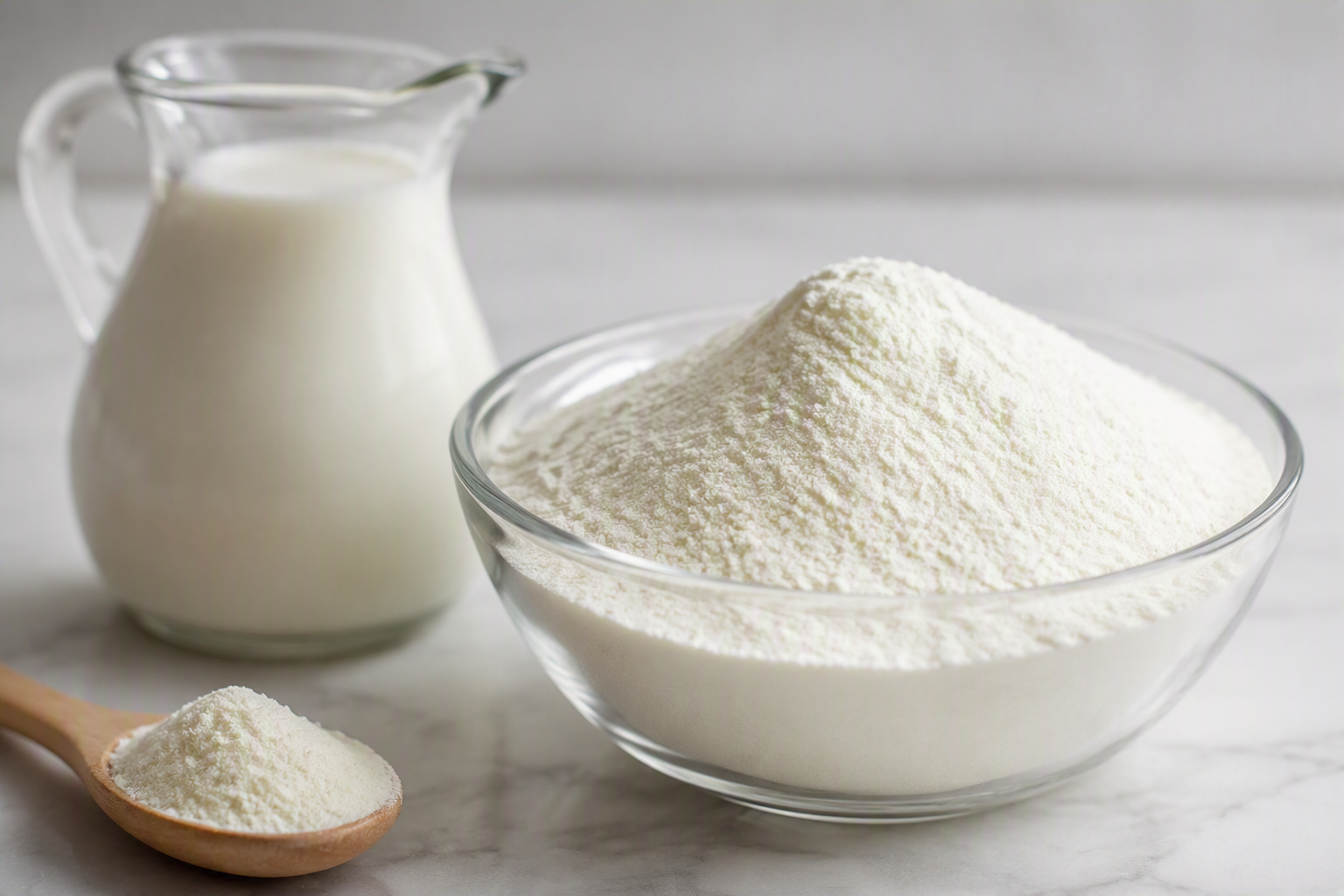
Skimmed milk powder, known by the abbreviation SMP, has once again become one of the most talked about topics in the European dairy raw materials market. After a period when this ingredient was overshadowed by whey proteins and milk protein concentrates, SMP is returning to the spotlight for food manufacturers. The reason is not just rising prices, but also a structural shift in demand that is reflected across the entire supply chain.
Prices Have Reached Their Highest Level Since 2022
According to data from DCA Market Intelligence, the reference price for skimmed milk powder in northwest Europe has reached its highest level since 2022. Since the summer of 2026, the price has risen by around 25 percent, while compared to the same period last year the increase is more than 40 percent. This jump is not the result of a single factor, but a combination of several simultaneous pressures on the market.
In early August 2026, the European Commission recorded continued consecutive weekly price increases, and by mid-September prices remained at a level significantly higher than in the same period the previous year.
Production Is Rising, but the Market Remains Tight
At first glance, production data does not suggest a problem. SMP production in the European Union increased by 20.9 percent in January 2026 compared to the same month the previous year. In the first quarter of 2026, production growth was 15.6 percent, with the most pronounced increases in Germany, France and Poland. In its projection for 2026, the European Commission expects additional growth in SMP production.
However, despite rising production, the market remains tight. DCA explains that available quantities for immediate delivery are limited, because European milk production typically declines at this time of year, and buyers have returned to the market after the summer period of reduced activity. Producers are cautious about offering large volumes, so available product is quickly absorbed.
The Protein Trend Is Changing the Structure of Demand
The key driver of demand for SMP is not only its classic use in the food industry. The popularity of high protein products, driven by GLP-1 drugs and a general trend of increased protein intake, is creating additional pressure on all sources of milk proteins. Although SMP is not a primary protein supplement like WPC or WPI, it is part of the same value chain. Whey, which is a byproduct of cheese production, is used to make protein concentrates, and when whey is diverted into higher value protein streams, less is available for other purposes. This indirectly increases demand for SMP as an alternative source of milk proteins in formulations.
Whey powder prices have risen even more than SMP, between 59 and 94 percent depending on the application. As DCA notes, the price difference between feed grade whey and food grade whey almost disappeared, indicating that the market is absorbing all available quantities regardless of use. In such conditions, SMP becomes an increasingly attractive alternative for manufacturers seeking a more stable source of milk proteins at a more predictable price.
Europe's Competitiveness on the Global Market
An additional factor supporting SMP prices in Europe is reduced competition from the United States. According to CLAL data, combined production of SMP and nonfat dry milk in the US fell to its lowest level in the last ten years. This situation creates favourable conditions for European and New Zealand exports, as the European product currently has a price about 30 percent lower than the American one.
European SMP exports increased by 9.7 percent in the first quarter of 2026, with main destinations in Asia and the Middle East and North Africa region. Export growth further reduces quantities available on the domestic market, contributing to the maintenance of high prices.
What This Means for Food Manufacturers
SMP is an ingredient used in a wide range of products, including chocolate, ice cream, dairy beverages, confectionery, bakery products and ready meals. For manufacturers in these categories, the rise in SMP prices directly affects production costs.
The market situation suggests that prices will not stabilise quickly. Seasonal decline in milk production, limited supply for immediate delivery and strong demand from the protein sector create an environment in which buyers must carefully plan procurement. Those who are able to lock in prices or secure long term contracts with suppliers can avoid the risk of further price increases.
At the same time, manufacturers considering alternative sources of milk proteins should keep in mind that prices for whey and protein concentrates are also at historically high levels. In such an environment, SMP remains one of the most competitive options for securing milk proteins in formulations, despite rising prices.
Conclusion
SMP is back in focus for the European food industry for several mutually reinforcing reasons. The protein trend increases demand for all milk proteins, reduced competition from the US supports European exports, and seasonal factors limit immediate availability. The result is price growth to the highest level in four years. For food manufacturers, this is a signal that SMP procurement should be planned in advance and that a dairy raw material sourcing strategy requires more careful analysis than in previous years.