
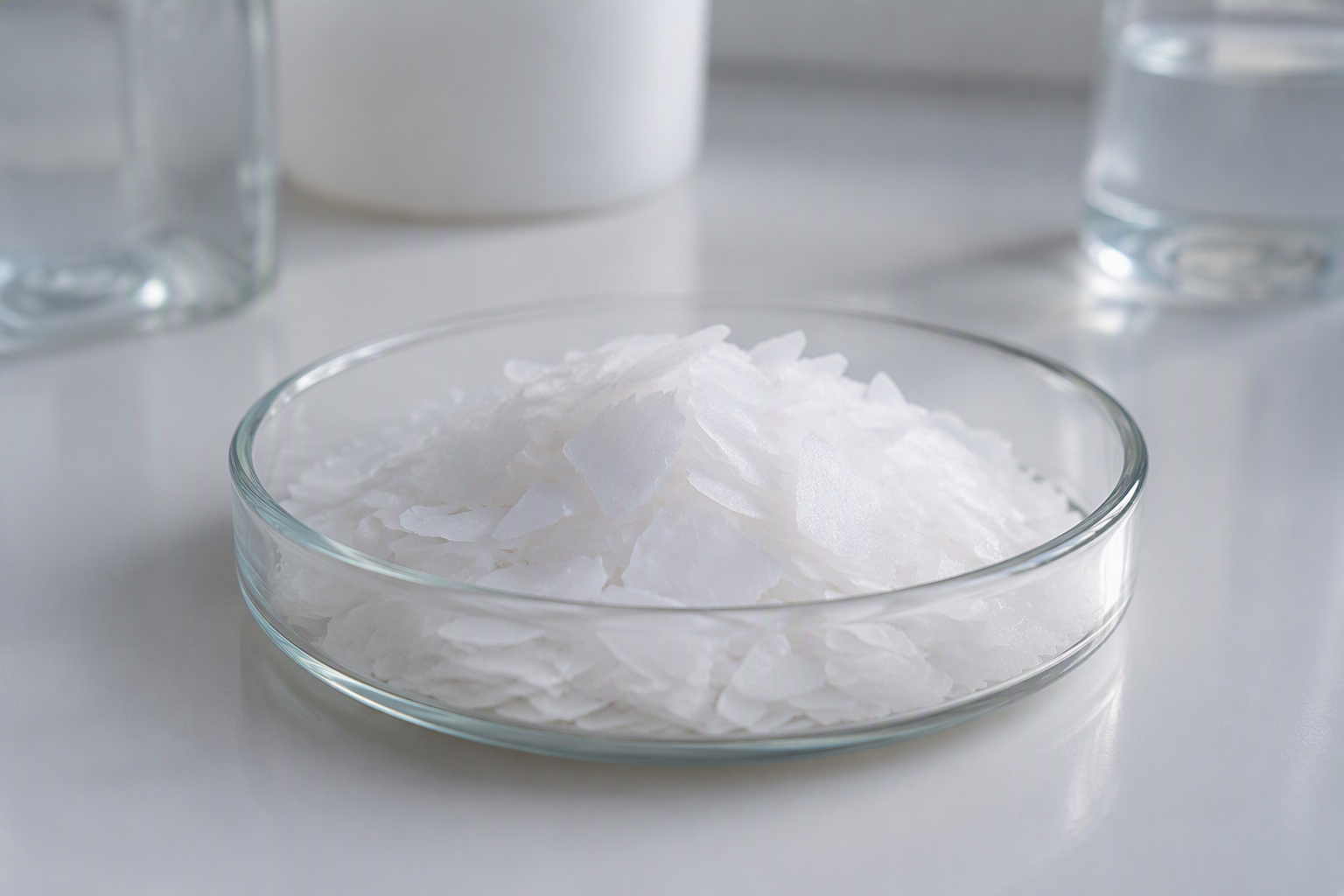
European caustic soda producers are facing a paradox. Their product is becoming more expensive, while the market is flooded with cheaper imports. The reason is not a lack of demand, but a structural problem that has been deepening for years.
The Biggest Cost Is Energy
Caustic soda production is extremely energy-intensive. Electricity accounts for more than half of the total operating costs in chlor-alkali production. When electricity prices in Europe reached 275 euros per megawatt-hour, many plants had to reduce operations or shut down completely.
Although prices have stabilised somewhat, the gap compared to competitors remains huge. European industrial electricity was 52 euros per megawatt-hour more expensive in 2025 than in the United States. This difference directly translates into the final product price.
Capacity Is Closing
High energy costs and weak demand have led to a wave of closures of European plants. Dow has announced the closure of its facilities in Germany and the United Kingdom, which will remove 275,000 tonnes of caustic soda capacity by the end of 2027. Similar decisions have been made by other producers such as Arkema, Vynova and INEOS.
When domestic capacity closes, European buyers are forced to turn to imports. This further reduces supply on the domestic market and increases dependence on foreign suppliers.
Cheap Chinese Imports Are Putting Pressure
The European market is flooded with cheaper caustic soda from China, which has become the dominant supplier. China accounts for 81.8 percent of total caustic soda imports into the European Union.
Chinese producers have access to significantly cheaper energy and raw materials, allowing them to offer prices that European producers cannot match. The result is a situation where European producers must charge more to cover costs, but the market pressures them to keep prices low.
What This Means for Buyers
For manufacturers using caustic soda, this is a period when procurement requires more attention. Domestic production is becoming more expensive and uncertain, while imports offer lower prices but carry risks of supply chain disruptions.
It is crucial to monitor developments and consider diversifying suppliers. Those who plan ahead will be in a better position than those who wait for the market to stabilise.