
The European market for corn and soybean meal is under serious pressure. Prices for both raw materials are approaching historical highs, and a combination of multiple factors is keeping them elevated with no clear sign of easing. The war in Ukraine, heatwaves in Europe and weaker margins in Brazil have simultaneously hit supply and redirected trade flows. For animal feed producers, this is a moment that requires urgent analysis of procurement strategies.
Prices at Historical Levels
At the end of August, corn prices in Europe reached 245 euros per tonne on an ex-works basis in Spain, an increase of 6 euros compared to the previous month. Soybean meal has seen an even more pronounced rise. The price on a FOB Netherlands basis was estimated at 379 euros per tonne on August 26, a jump of 13 euros compared to the previous month, while on the Spanish market it reached 381 euros per tonne. These levels are reminiscent of the record values seen in April.
Three Key Factors Driving the Rise
The first factor is the escalation of the conflict in the Black Sea, which has practically halted grain exports from Ukrainian ports. The European Commission has recorded that EU corn imports from Ukraine fell by 19.2 percent compared to the previous year, while imports from the US jumped by 50.7 percent and from Brazil by as much as 86.8 percent.
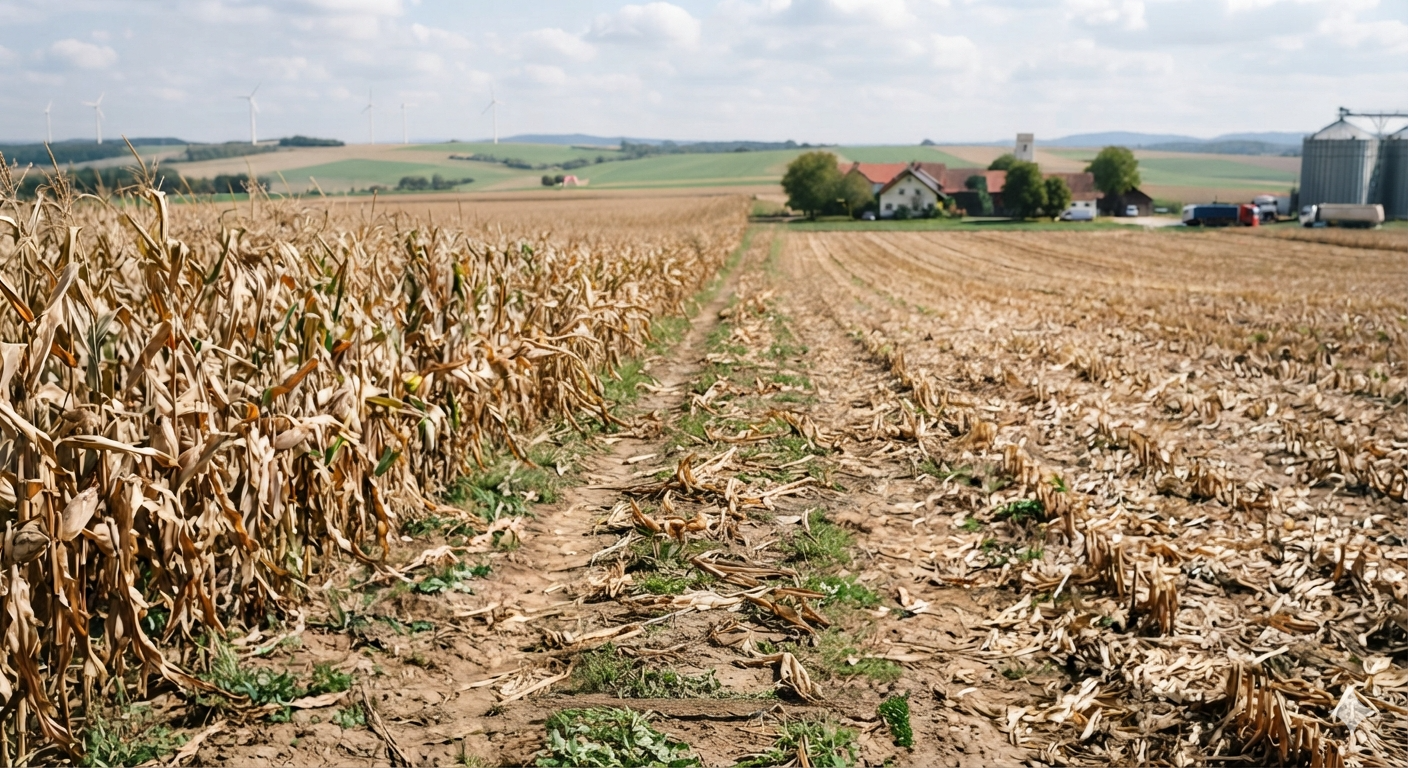
The second factor is adverse weather conditions in Europe. Heatwaves have reduced corn production forecasts to 52.11 million tonnes, a significant drop from 60.45 million tonnes in the previous season.
The third factor is the situation in Brazil, where weaker processing margins have raised premiums and caused concern about short-term supply.
How Sourcing Is Changing
European buyers are being forced to change their sources of supply. Ukrainian corn is becoming increasingly difficult to access, so buyers are turning to Poland, the Romanian port of Constanta, but also to distant markets such as Brazil and the US. However, these alternatives come with higher prices and longer delivery times. A similar trend is being seen for soybean meal.
What to Expect in the Coming Months
Analysts do not expect prices to ease quickly. As long as the conflict in the Black Sea continues, supply from Ukraine will remain limited. Heatwaves in Europe have further reduced domestic yields, increasing dependence on imports. One possible course of action for feed producers is the replacement of expensive grains with barley. Feed manufacturers could increasingly turn to barley as a substitute for costly feed grains, especially since the barley harvest in Spain has been completed and the crop is available. However, substitution is not always straightforward as barley has a different nutritional profile and requires formulation adjustments.
The European market for corn and soybean meal is in a regime of high prices and uncertainty. The war in the Black Sea, heatwaves and problems in Brazil have created a perfect storm that is keeping prices near historical highs. For animal feed producers, it is crucial to monitor developments, consider alternative sources of supply and be prepared to adjust formulations.