
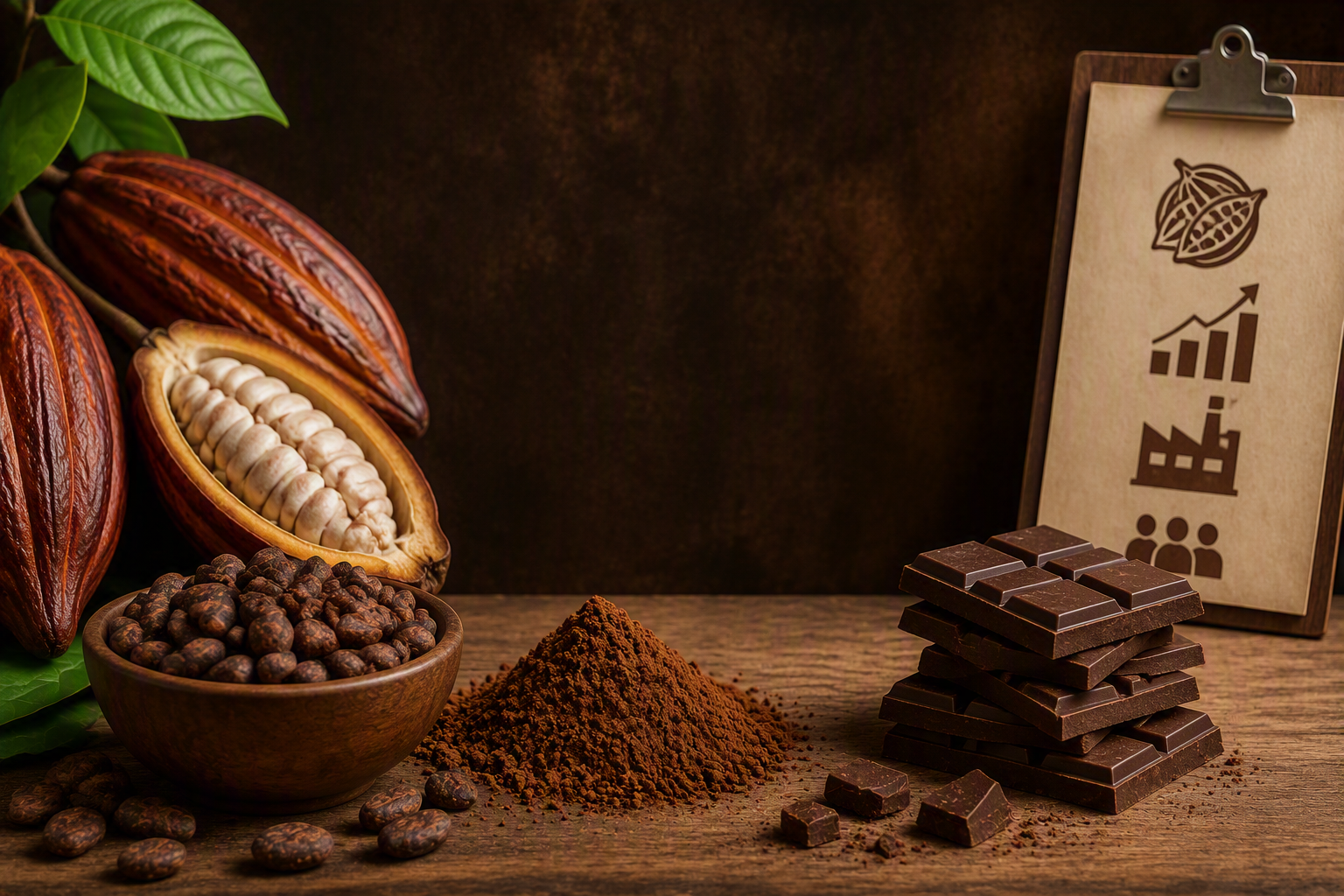
The cocoa market is back in the spotlight. After prices reached historic levels during 2024, a significant decline followed in the spring of 2026, only to see a new strong rise by mid-year. In July alone, cocoa prices rose 27.5 percent, and at the beginning of August a new jump of more than ten percent was recorded in just a few days. Indonesia, one of the world's leading producers, raised its cocoa reference price by as much as 36.66 percent in early August compared to the previous month.
Why Are Cocoa Prices Rising Again?
The main reason lies in West Africa, home to the world's two largest producers, Ivory Coast and Ghana, which together account for more than 60 percent of global production. Ghana's cocoa regulator COCOBOD announced that Ghana's production for the 2026/27 season could fall by more than 25 percent compared to earlier estimates. At the same time, production in Ivory Coast is expected to fall by about 11 percent.
The cause of this decline is adverse weather conditions associated with the El Niño climate phenomenon, which brings drought and higher temperatures to the region. In addition, crop diseases such as swollen shoot are further threatening plantations. Heavy rainfall during flowering and early pod development is also a significant, yet often overlooked, factor in yield loss.
The Surplus Is Shrinking
The global cocoa market is facing ever-shrinking surpluses. Transgraph Consulting estimates that the surplus for the 2026/27 season will be just 80,000 metric tonnes, a dramatic drop from an estimated 415,000 tonnes in the 2025/26 season. StoneX has cut its global surplus forecast even more drastically to just 25,000 tonnes. Total global cocoa supply in the 2026/27 season could fall by about 4.6 percent compared to the previous season. These are clear signals that the cocoa market is tightening again and that a deficit could become a reality as early as next season.
What This Means for Chocolate Manufacturers
For chocolate manufacturers, rising cocoa prices directly impact production costs. The situation with cocoa butter is particularly challenging, with prices rising significantly. This has prompted many manufacturers to turn to cheaper palm oil-based alternatives such as CBE and CBS.
However, it is important to note that changes in cocoa prices do not immediately affect retail chocolate prices. Chocolate makers typically hedge or lock in purchase prices months in advance and hold large inventories, so it can take up to ten months for a change in raw material prices to reach store shelves. This means consumers will feel the price increase with a delay, but it is inevitable.