
On 13 July 2026, the European Commission adopted two key measures that change the product scope of the EU Deforestation Regulation (EUDR) and define the technical rules for the Information System used to submit due diligence statements. These measures represent the final step in operationalising a regulation that begins to apply from the end of December 2026. The regulation is now complete, what remains is for supply chains to prepare.
What is changing in the product scope?
The seven core commodities covered by the EUDR remain unchanged: cattle, cocoa, coffee, oil palm, rubber, soy and wood. However, the list of derived products subject to the regulation has been updated. The following have been removed from scope: cattle hides, skins and leather, re‑treaded tyres, soybeans for sowing, articles of vulcanised rubber, conveyor and transmission belts, as well as aircraft and motor vehicle seats.
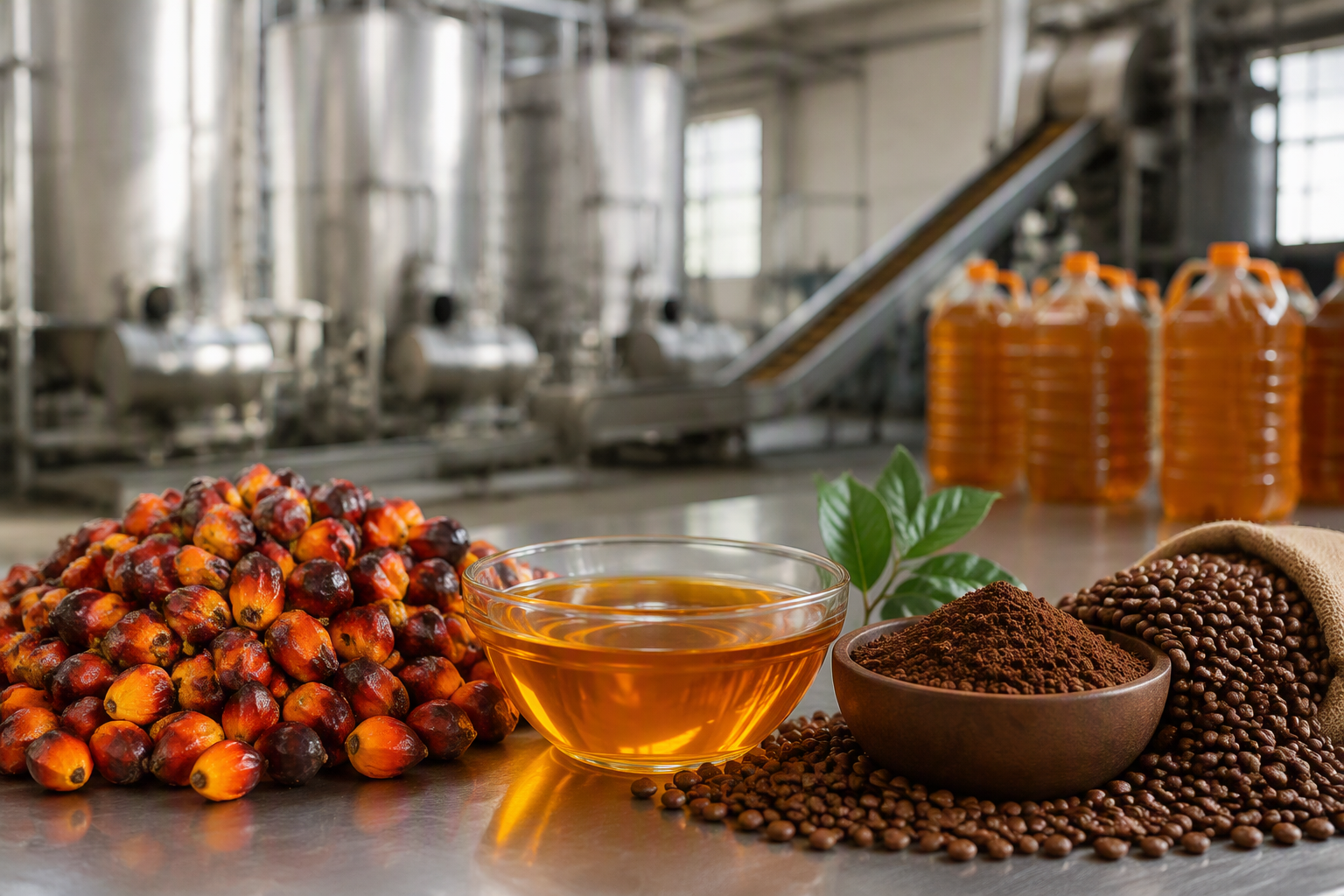
At the same time, new product categories have been added: soluble coffee (instant coffee), certain palm oil derivatives (oleochemicals used in food, cosmetics, detergents and soaps) and frozen cattle tongues.
Why is instant coffee being added?
Adding instant coffee closes a previous regulatory gap. Coffee as a raw material has been covered by the EUDR from the start, but instant coffee, as a processed product, was not previously included. This meant companies could import instant coffee without due diligence checks, bypassing the rules that apply to green and roasted coffee. The new decision closes this loophole and ensures that all forms of coffee are subject to the same standards.
Why are palm oil derivatives being added?
Extending the scope to palm oil derivatives and oleochemicals aims to prevent the shifting of deforestation risk to products that were not previously covered. The European Commission states the goal is to ensure "consistency across the oleochemicals supply chain". Palm‑derived chemicals used in the manufacture of human and veterinary medicines are exempt, along with waste palm oil derivatives used as feedstock for biofuels.
When do the new rules take effect?
Companies have time to prepare. The new products added to the scope will become subject to the EUDR from 30 December 2027. That is one year after the main application date of the regulation (30 December 2026 for large and medium-sized operators, and 30 June 2027 for most micro and small operators). The Delegated Act will now be sent to the European Parliament and the Council for a two‑month scrutiny period before it enters into force.
What does this mean for commercial buyers?
For everyone sourcing instant coffee or palm oil derivatives, this is a critical signal. By the end of 2027, every shipment of these products entering the EU market will need to be accompanied by a due diligence statement confirming that the goods do not originate from land that was deforested after 31 December 2020. This means suppliers will have to provide geolocation data on plots, evidence of legal production and full traceability throughout the supply chain.
For producers in Serbia who export to the EU or supply European companies, this means they must start collecting data from their own suppliers and preparing due diligence systems. Although they are not formally direct obligors (unless they themselves place goods on the EU market), European buyers will demand proof of origin from them. Those who do not ensure traceability in time risk losing customers on the European market.