
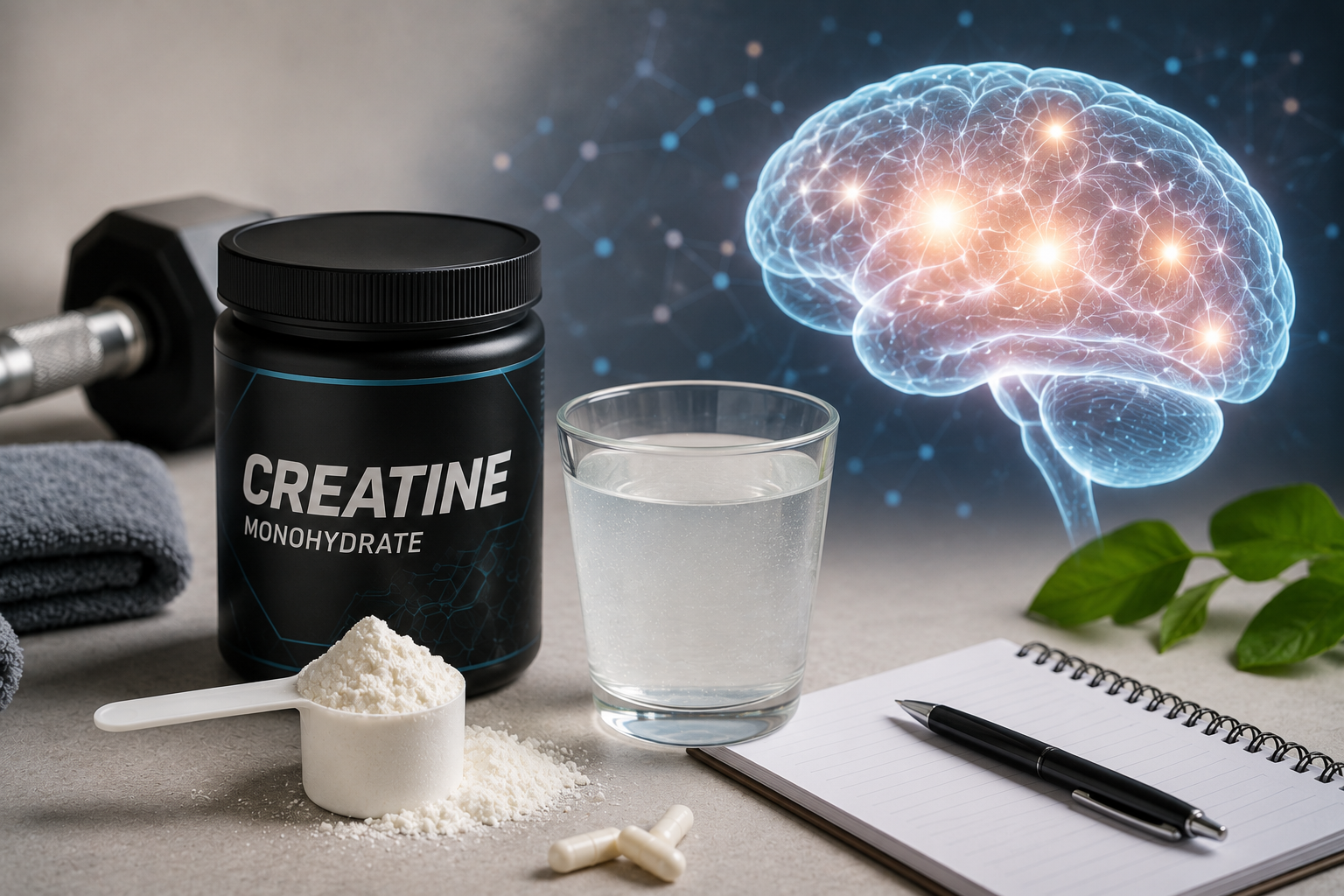
When most people hear the word creatine, their first association is weights, strength training, and muscle mass. For decades, this supplement was synonymous with athletes and fitness enthusiasts looking to improve physical performance. However, in recent years, creatine has been taking on an entirely new identity. Increasingly, discussions are emerging about its potential to support brain function, alleviate stress symptoms, and perhaps even help in the fight against depression. What was once a niche product for bodybuilders is now becoming a topic of conversation in offices, among students, and in families focused on mental wellbeing.
Why is Creatine Important for the Brain?
To understand why creatine is attracting so much attention outside the sports world, it is necessary to look at a simple but crucial biological mechanism. Creatine is a substance naturally found in the body, and its primary role is to participate in energy production. The brain, despite its relatively small mass compared to the rest of the body, is one of the largest consumers of energy in the human organism. When energy reserves in brain cells are depleted, it can affect attention, memory, mood, and overall cognitive capacity.
This very fact led researchers to ask a question: if creatine helps muscles regenerate energy faster, could it have a similar effect on the brain? Preliminary studies have shown that creatine supplementation can increase creatine concentration in the brain, particularly in areas responsible for executive functions and emotional regulation. This has opened the door for research exploring the connection between creatine and depression, anxiety, and the general feeling of mental exhaustion.
What Do We Currently Know from Scientific Research?
The scientific community has not yet reached a final verdict on the effects of creatine on mental health, but initial results are promising. Several controlled studies have examined the impact of creatine on individuals dealing with depressive symptoms. The results are mixed – some studies recorded noticeable improvements in mood and symptom reduction, while others found no significant differences compared to the placebo group.
What is important to highlight is that researchers agree on one point: creatine is an exceptionally safe dietary supplement. Side effects are generally mild and limited to minor digestive issues, making it a low‑risk option for further study. Most scientists agree that larger, long‑term trials are needed before firm conclusions can be drawn. Nevertheless, even with these preliminary findings, public interest is growing, and with it, commercial potential.
How Is the Industry Responding to the New Wave of Interest?
The market has already recognised this trend. Creatine is no longer just a powder in large tubs to be mixed with water. Manufacturers are experimenting with different formats – from ready‑to‑drink beverages and gummy candies to protein bars and flavoured powdered drinks that resemble fruit juices. The goal is clear: to make creatine accessible and appealing for everyday use, far removed from the stereotypes of gyms and the male‑dominated world of bodybuilding.
This product diversification is no accident. Brands are striving to position creatine as an ingredient for daily wellbeing enhancement, not just as a supplement for physical performance. In this sense, the confectionery industry, the beverage industry, and functional food manufacturers have an opportunity to capture a new segment of consumers who may have previously shied away from creatine because they were not the target audience.
Challenges the Industry Must Address
While the prospects are exciting, there are also serious challenges. The first and most important is the regulatory framework. In most countries, including the European Union and the United States, health claims on food products are strictly regulated. This means manufacturers cannot simply write on packaging that creatine "reduces symptoms of depression" or "improves mental health" without approval from competent authorities that require robust scientific evidence.
The second challenge is consumer education. Although creatine is safe, many people still hold prejudices against dietary supplements or are confused by the different types of creatine available on the market. Manufacturers will need to invest effort in transparent communication about what creatine can and cannot do, as well as recommended dosages.
Conclusion
Creatine is at a turning point. Its journey from an exclusively sports supplement to a potential ally of mental health has only just begun, but it is well underway. Science has not yet had the final word, but the direction is clear, and an increasing number of research teams are dedicating attention to this topic. For the food industry, this is a moment to carefully listen to signals from the scientific community while simultaneously developing products that will meet growing consumer demand for functional ingredients. Those ready to invest in research and development, while respecting regulatory frameworks, could profit from a new wave of interest that promises to bring creatine out from the shadow of the gym and place it at the centre of everyday health consciousness.