
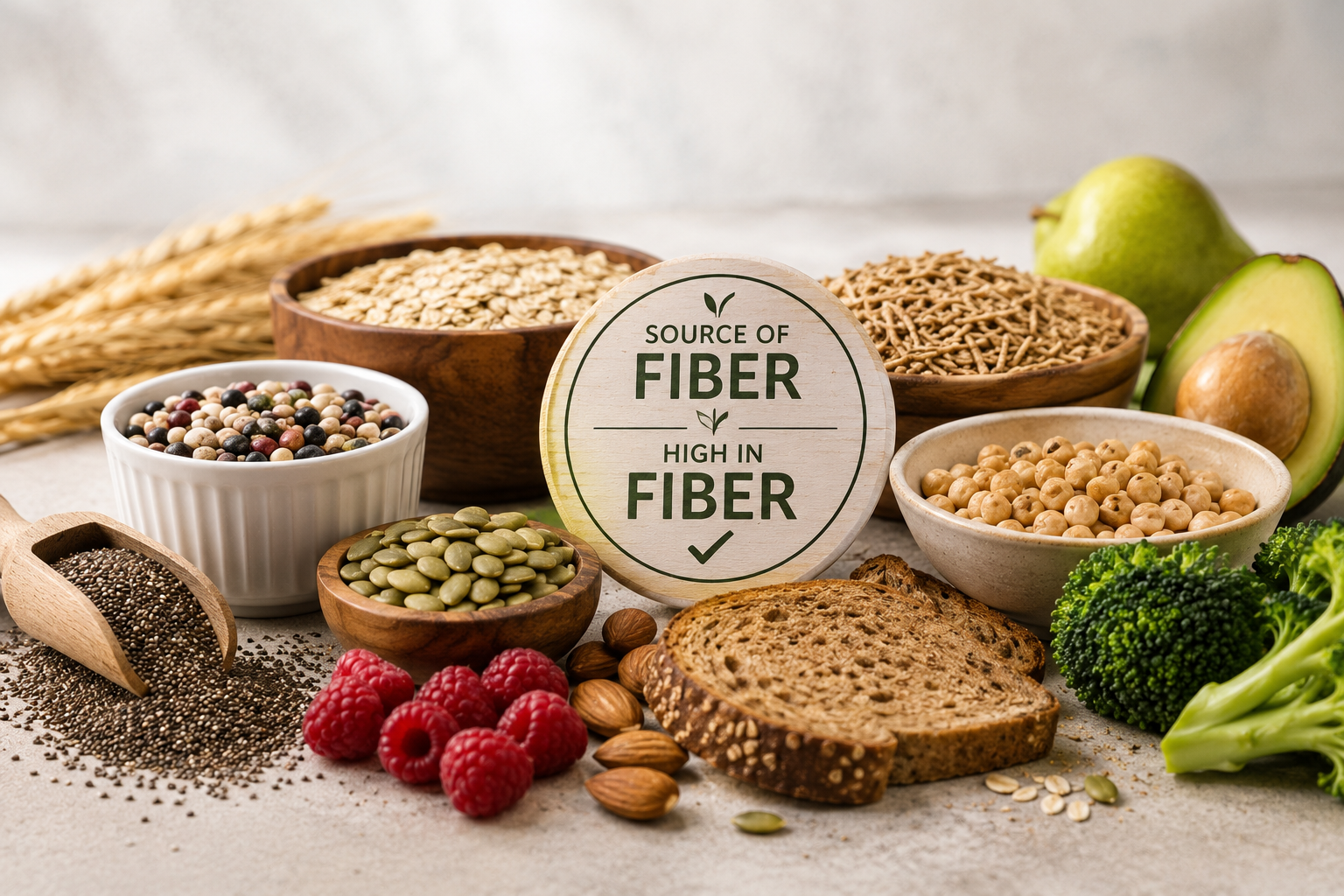
Once upon a time, fibre was just "roughage" – something your grandmother mentioned alongside cornbread and sauerkraut, and nutritionists recommended for digestion. Today it has become the central theme of food laboratories, marketing campaigns, and social media. How did this quiet turnaround happen, and why can the world suddenly not get enough of cellulose, pectin, and beta-glucans?
The Forgotten Wisdom of Our Ancestors
Before marketing and science discovered fibre, our elders respected it instinctively. Cornbread, polenta, beans, sauerkraut, whole-grain bread from stone-ground wheat – these foods formed the backbone of the Balkan diet for centuries. Their fibre content was impressive, but no one talked about "prebiotics" or the "microbiome." They simply knew it was good for the stomach.
The irony is that we temporarily forgot that wisdom. With the rise of white bread, industrial snacks, and fast food, fibre was pushed to the margins. Today we are returning to it – but now with scientific validation and modern flavours.
The Global Fibre Race: Asia Leads, Europe Catches Up
According to data from global analytical firms, the dietary fibre market is growing at an impressive rate of over 7% annually and is set to continue this trajectory until 2033. However, not all regions are equally quick to embrace the trend.
The Asia-Pacific region is the undisputed leader: as many as 40% of surveyed consumers there actively increase their fibre intake for health reasons. Europe lags behind with roughly half that percentage, but the growth momentum in countries like Germany and France shows the gap is rapidly closing. Serbia and the surrounding region are only at the beginning of this wave, but the first signs are visible – in the offerings of certain bakeries, in the growing number of products labelled "source of fibre," and in the rising consumer interest in whole-grain options.
The Microbiome as a Secret Ally
The main driver of this revolution is not fashion but science. Discoveries about the gut microbiome – the billions of bacteria living in our digestive system – have thrust fibre into the spotlight. It is no longer just a "broom for the intestines," as was once simplified. It is food for good bacteria, a prebiotic that encourages the growth of beneficial microorganisms.
Data shows that prebiotic fibres already accounted for nearly two-thirds of total fibre revenue in 2025. Consumers are increasingly seeking specific types – inulin, fructooligosaccharides, resistant starch – and not just for digestion. Weight management, heart health, prolonged satiety, and even mental well-being are all part of the picture. This creates fertile ground for a new generation of products.
From Supplement to Pleasure: The Tasty Face of Fibre
Old fibre supplements had a serious problem – they were unpalatable and difficult to use. The new wave of functional foods is changing that from the ground up. Why drink a powder when you can eat a protein-fibre bar that tastes like raspberry and white chocolate? Why mix a suspension when you can enjoy a fizzy drink enriched with inulin?
Functional food is the bridge between pharmacy and gastronomy. It makes fibre intake simple, pleasant, and – crucially – sustainable in the long run. Manufacturers have realised that consumers will not sacrifice taste for health, so they are investing in formulations that deliver both.
Bread Is Still King – Just With a More Serious Pedigree
When talking about fibre, the bakery sector is unavoidable. Bread and pastries are ideal carriers because they are part of the daily routine of billions of people. Adding fibre to baked goods is not just a nutritional improvement – it changes texture, extends freshness, and increases satiety.
In Serbia, bakeries are slowly emerging that experiment with whole-grain flours, bran, flaxseed, and sesame. Although white bread still dominates, more and more customers are asking for "darker" and "healthier" options. This is a signal that perceptions are changing and that the bakery sector is becoming a key battleground for conquering the fibre market.
Trends That Come and Go – and Those That Leave a Mark
A few years ago, "fibremaxxing" stormed through social media – a challenge that encouraged people to consume as much fibre as possible, often with extreme and untested regimens. Like most viral phenomena, it had a short lifespan. However, experts note that it left behind something valuable: a transformed public image of fibre.
What was once synonymous with a boring dietary obligation has now become a hallmark of modern self-care. That narrative shift does not disappear along with the hashtag. Fibre has finally received the respect it deserves – and all indications suggest it will remain a priority long after the next viral trend comes and goes.